
Why Masonry Buildings Survive: Lessons from Lime Mortar and Moisture Management
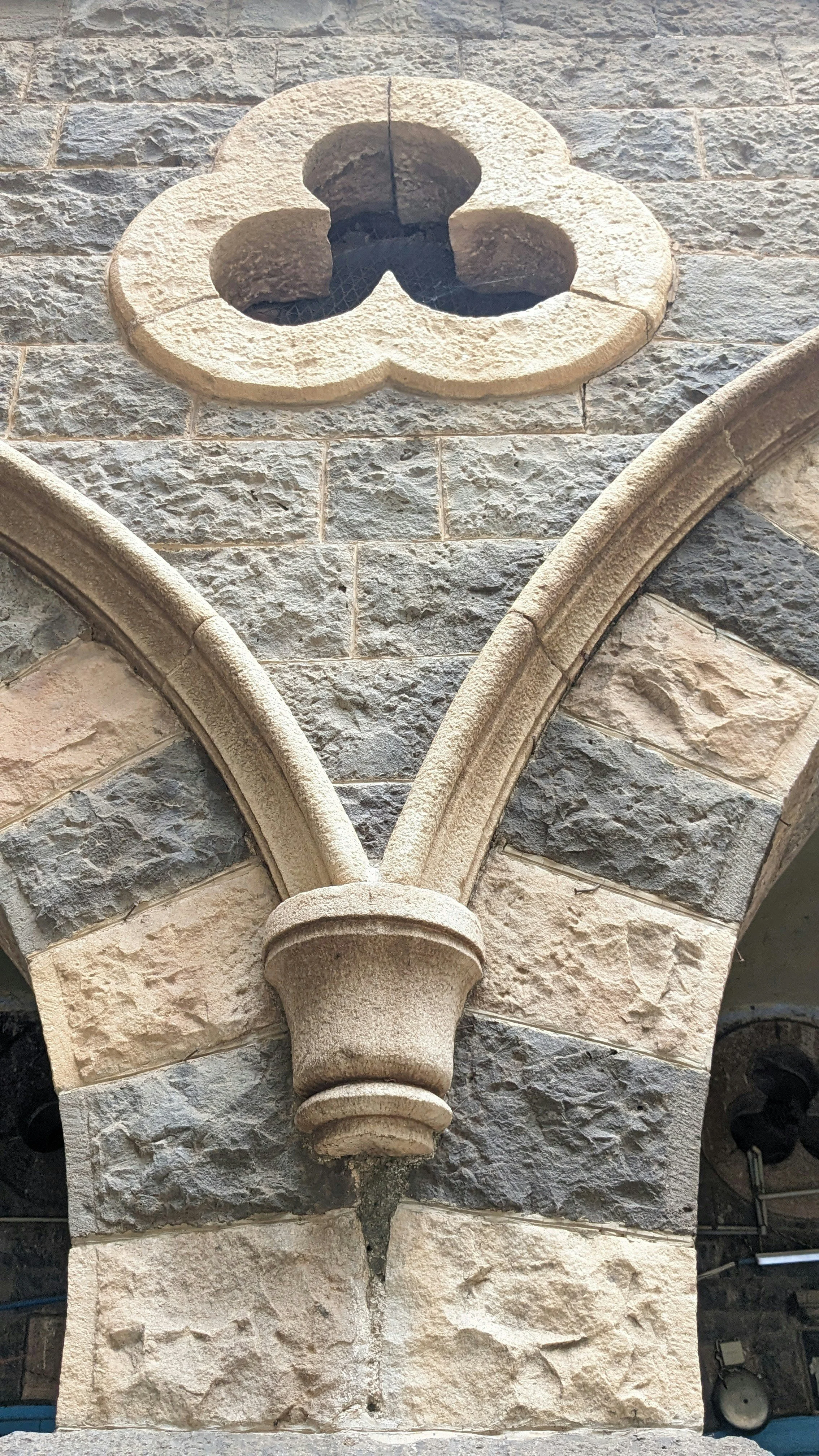
Historic masonry churches often demonstrate the longevity of well-designed stone construction, combining durable materials, thoughtful detailing, and centuries-old craftsmanship.
Walk through almost any historic European city and you'll find buildings that have stood for centuries. Stone farmhouses tucked into the Irish countryside. Brick rowhouses lining cobbled streets. Masonry churches and civic buildings that have weathered generations of storms, shifting technologies, and changing patterns of use. Many remain functional today not because they were overbuilt, but because their builders understood something fundamental about durability: buildings survive when they are designed to manage the forces acting upon them. In masonry construction, one of the most important of those forces is moisture.
Durability and seismic performance are not the same thing
Before exploring why so many historic masonry buildings have endured, it's worth acknowledging an important distinction that often gets overlooked.
URM Code Requirements — Pacific Northwest
Portland Title 24.85 and Chapters 16 and 34 of the Oregon Structural Specialty Code address URM buildings specifically, as do the International Building Code and International Existing Building Code in Washington. URM structures carry special code provisions that affect renovation, change of occupancy, and seismic risk. We'll cover these requirements in depth in a future article — and if you have questions about a specific building in the meantime, please reach out.
When people hear that masonry buildings have survived for hundreds of years, it's easy to assume they perform well under all conditions. That is not always the case. Many historic masonry structures throughout North America were built as unreinforced masonry (URM) — assemblies that often perform remarkably well under gravity loads and weather exposure, but can be significantly vulnerable when lateral forces are introduced, as during seismic events. In the Pacific Northwest, this distinction matters considerably.
Modern masonry construction incorporates reinforcing steel, anchorage systems, and seismic detailing that significantly improve life-safety performance. The evolution from unreinforced to reinforced masonry is an important story in its own right — one we'll explore in a future piece on how building codes and seismic events reshaped masonry design. For now, the lessons of historic durability are worth understanding on their own terms, while keeping modern life-safety expectations clearly in view.
Masonry was designed to get wet
One of the most persistent misconceptions about historic buildings is that they survived by somehow keeping water out completely. In reality, many traditional masonry assemblies assumed water would enter the wall — and simply provided a way for it to leave. Historic builders understood that wind-driven rain, rising damp, and condensation were inevitable. Rather than relying entirely on sealants and membranes, they designed wall systems capable of absorbing moisture, redistributing it, and drying over time. The wall itself was part of the moisture-management strategy.
The genius of lime mortar
Many historic masonry buildings relied on lime mortar rather than modern Portland cement mortar. To modern observers, lime mortar can appear soft, fragile, or inferior to contemporary materials. In many situations, it was exactly the opposite.
Lime mortar accommodated small amounts of movement without fracturing, allowed moisture vapor to pass through the assembly, and was relatively straightforward to repair. Crucially, it was intentionally designed to be the weakest component of the wall. If movement occurred, the mortar cracked first. If repairs became necessary, the mortar could be raked out and replaced while the brick or stone remained intact. This wasn't a limitation — it was an elegant design strategy. The mortar sacrificed itself so the more valuable, more difficult-to-replace masonry units did not have to.
Related insights post: Why Old Timber Buildings Last: Lessons in Joinery and Movement
When modern repairs create historic problems
Ironically, many masonry failures visible in older buildings today didn't originate with the original system — they began when a modern intervention altered how that system performed. One of the most common examples is repointing historic masonry with hard Portland cement mortar.
Architectural Services · Historic Renovation
Understanding the original assembly logic before specifying repairs or introducing new materials is critical in historic masonry work. JR-DBA provides architectural services for existing building renovations — including existing conditions documentation, material compatibility review, and construction documents that respect how a building was designed to perform.
Portland cement has many appropriate applications, but its strength and rigidity can create serious problems in older assemblies designed around softer materials. Moisture that once moved harmlessly through the mortar becomes trapped. Differential movement is harder to accommodate. Freeze-thaw cycles place increased stress on the masonry units rather than the mortar joints. The result is often spalling brick faces, surface cracking, accelerated deterioration, and new pathways for moisture intrusion. The intended upgrade becomes the source of failure.
Thick walls and simple details
Historic masonry buildings also benefited from an underlying design philosophy that shows up across durable building traditions: simplicity. Wall assemblies were substantial. Openings were carefully proportioned. Roof overhangs protected vulnerable areas. Window sills directed water away from the facade. Builders relied on geometry as much as material science — and simple details reduced the number of locations where something could eventually go wrong.
This philosophy appears throughout this series. As we explored in the articles on timber joinery and roof form, good long-term performance frequently starts with the simplest solution capable of doing the job.
What this means for renovations today
For homeowners and property owners considering work on older buildings, understanding how the original structure was intended to perform is the right place to start. Historic assemblies often operate on fundamentally different assumptions than modern construction — assumptions about where moisture goes, how materials move, and which components are intended to be sacrificed and replaced over time.
Owner's Representation · Construction Management Advisory
Renovation projects on older masonry buildings carry risks that standard contractor oversight may not catch — especially when modern materials are introduced into assemblies designed around traditional ones. JR-DBA provides owner's representation and CMa services that include envelope review, contractor bid evaluation, and field observation to keep project intent intact from design through construction.
Before replacing materials, adding insulation, altering finishes, or introducing new waterproofing strategies, it's worth asking: why has this building survived this long? What assumptions were built into the original design, and how does moisture currently move through the assembly? Will a modern intervention improve performance — or quietly disrupt a system that has worked for decades?
Respecting the original logic of a building doesn't mean resisting modernization. It means understanding the consequences of change before committing to them.
"Durability is not about creating buildings that never change — it is about creating buildings capable of aging gracefully."
Masonry's bigger lesson
The buildings that endure are rarely those that attempt to overpower nature. They are the ones designed around it. Historic masonry builders understood that walls would move, rain would fall, materials would age, and repairs would eventually be necessary. Rather than designing for perfection, they designed for adaptation — repairable systems, manageable failures, assemblies capable of drying. Those principles remain just as relevant today, whether we're restoring a century-old brick building, designing a new addition, or evaluating an existing structure before a major renovation.
JR-Design Build Architect | Portland, Oregon
Architectural Design · Owner's Representation · Construction Management Advisory
